今年的讲研会将融合讲座和采访形式,以“一题多解”为宗旨,以“民族传说”(national myth)为核心开放古典学、俄罗斯文学和拉丁美洲历史的三节讲座,从史学、文学、社会学等多个角度了解国家与文化的形成。这三节讲座将从不同学科的角度去解析一个更大更广的议题,让参加者更深刻地体验文理教育所强调的跨学科(interdisciplinary)、开放思维、融会贯通的核心意义。为了加强参加者与教授的有机互动,每节讲座后将留充足时间给问答环节。三节讲座后,教授们将一同讨论讲座的内容,并且接受关于文理教育的采访。最后,我们邀请到阿默斯特学院招生办公室副主任为同学们做阿默斯特学院宣讲,介绍学院独特的文理教育及申请方法。
LAISS Panel 2022 will combine lectures and discussions virtually, seeking multiple perspectives on one theme– “The National Myth”– with three panels on classics, Russian literature, and Latin American history. Professors also orient the panels from literature, sociology, anthropology, and other disciplines to introduce and discuss the conceptual formation of the country, culture, and civilization. These three panels will allow participants to glimpse into the interdisciplinary, open, and focused colloquy that liberal arts education emphasizes. We reserve sufficient time for Q&A after each lecture. After the three lectures, the professors will share their unique encounters with and perspectives on liberal arts education. The concluding panel on Amherst College invites the associate director of admissions at Amherst College to give an information session for those seeking advice on application.
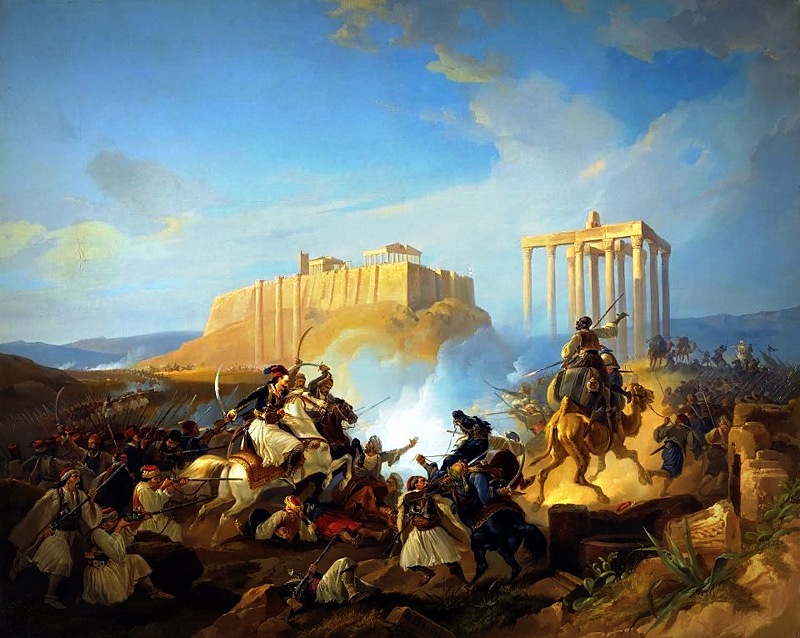


格里菲斯教授:希腊战争– 论欧洲和史学的发明
Prof. Fredrick T. Griffiths — Greek Wars: On the Invention of Europe and of History
若我们从太空俯视,欧洲和印度一样只能称得上是欧亚大陆的一个大半岛而已。那么为什么尽管与亚洲没有明确地理边界,欧洲仍然传统上算作七大洲之一?
“欧洲”是一个来源于希腊的文化概念。显然,它是一种在混乱的地理地形中划分出“优质社区”的手段。这种“文化划分”的想法与另一项希腊文化“发明”——历史(即史学)同时流行起来,并被用来解释广泛流传的有史以来规模最大的战争:希波战争,即波斯帝国在公元前 490 年和公元前 480-79 年入侵希腊大陆。在古希腊被称为“历史之父”的希罗多德在环游地中海东部和西亚之后认为帝国兴衰的主要情节是东方和西方的冲突,并用欧洲和历史这两个概念同时讲述了完整战事。
在这节讲座中,我将会谈到“欧洲”这一文化概念的独立性和特殊性,以及当时希腊人对历史写作的战争起源的理解。同时我也会细述这些想法如何在后世被危险地放大和歪曲。
Why does Europe traditionally count as one of the seven continents when there is no clear boundary with Asia? From space, Europe, like India, just looks like a big peninsula of the Eurasian landmass.
“Europe” is a Greek notion and obviously a way to mark off a premium neighborhood despite the messy geography. The idea gained currency along with another invention, history (that is, historiography), in order to explain what was seen as the biggest-ever war: the invasion of the Greek mainland by the Persian Empire in 490 and 480-79 BCE. We have the full story of this double breakthrough from Herodotus, called the “father of history” in antiquity, who, after travelling around the eastern Mediterranean and western Asia, argued that the master plot of the rise and fall of empires was the conflict of East and West.
I’ll consider how these ideas—the separateness and specialness of Europe, and the defining war-based origin of history-writing— made sense at the time for the Greeks but also how these ideas have been amplified and misrepresented, sometimes dangerously, in later ages.
国周教授:东西交汇的俄罗斯
Prof. Michael Kunichika — Russia Between the East and West
本堂讲座将探讨俄罗斯的思想家、作家和艺术家如何试图应对并化解“俄罗斯”这一横跨迥然欧亚文化的象征矛盾。从格里菲斯教授讲座的主题(希腊战争)出发,我的讲座将详解俄罗斯是如何利用与重塑“欧洲”的文化传统以及本民族的独特历史,从而塑造自己在欧亚大陆上的象征性地位的。我们还将特别展开讨论俄罗斯的思想家与艺术家们对俄罗斯帝国与苏联的地缘政治野心的不同反应。
This lecture will consider the various ways in which Russia’s thinkers, writers, and artists have grappled with the question of Russia’s place between the symbolic antinomies of Europe and Asia. Developing some themes of Prof. Griffith’s lecture, my lecture will consider how Russia grappled with the legacy of “Europe” as well as the classical past as it sought to imagine its own symbolic place within the Eurasian landmass. We will consider, in particular, how Russia’s creative figures responded to the geopolitical ambitions of both the Russian and Soviet empires.
斯塔文斯教授:“新巨人”–美国向移民敞开的黄金大门
Prof. Ilan Stavans — ‘The New Colossus’: America’s ‘Golden Door’ to Immigrants
艾玛·拉撒路于1883年创作的十四行诗“新巨人” 广为流传,成为了美国人民的集体契约和精神图腾。这首诗被刻在自由女神像的基座上,时刻提醒人们不忘美国因何而生。但在过去的 150 年里,移民问题引起了美国国内激情辩论;其辩论内容也发生了天翻地覆的变化。对于今天的美国人民来说,美国对移民还负有何种责任?本讲座将详细探讨分析拉撒路的诗,以进一步解析美国移民历史上的沧海桑田。
Emma Lazarus’ sonnet “The New Colossus” (1883), engraved in the pedestal of the Statue of Liberty, serves as collective contract, always reminding people of the nation’s origins. But the immigration debate has shifted substantially over the last 150 years. How does the United States understand its duty to immigrants today? The lecture explores Lazarus’ poem in detail while detailing the major historical rifts in America’s immigration history.
 LAISS
LAISS 